ServicesFluoride Treatment
Fluoride Treatment for Kids in Cumberland
Fluoride varnish takes about a minute to apply and helps enamel resist cavities. We look carefully at your child's teeth first, explain what we see in plain terms, and recommend fluoride only as often as their teeth actually need it.
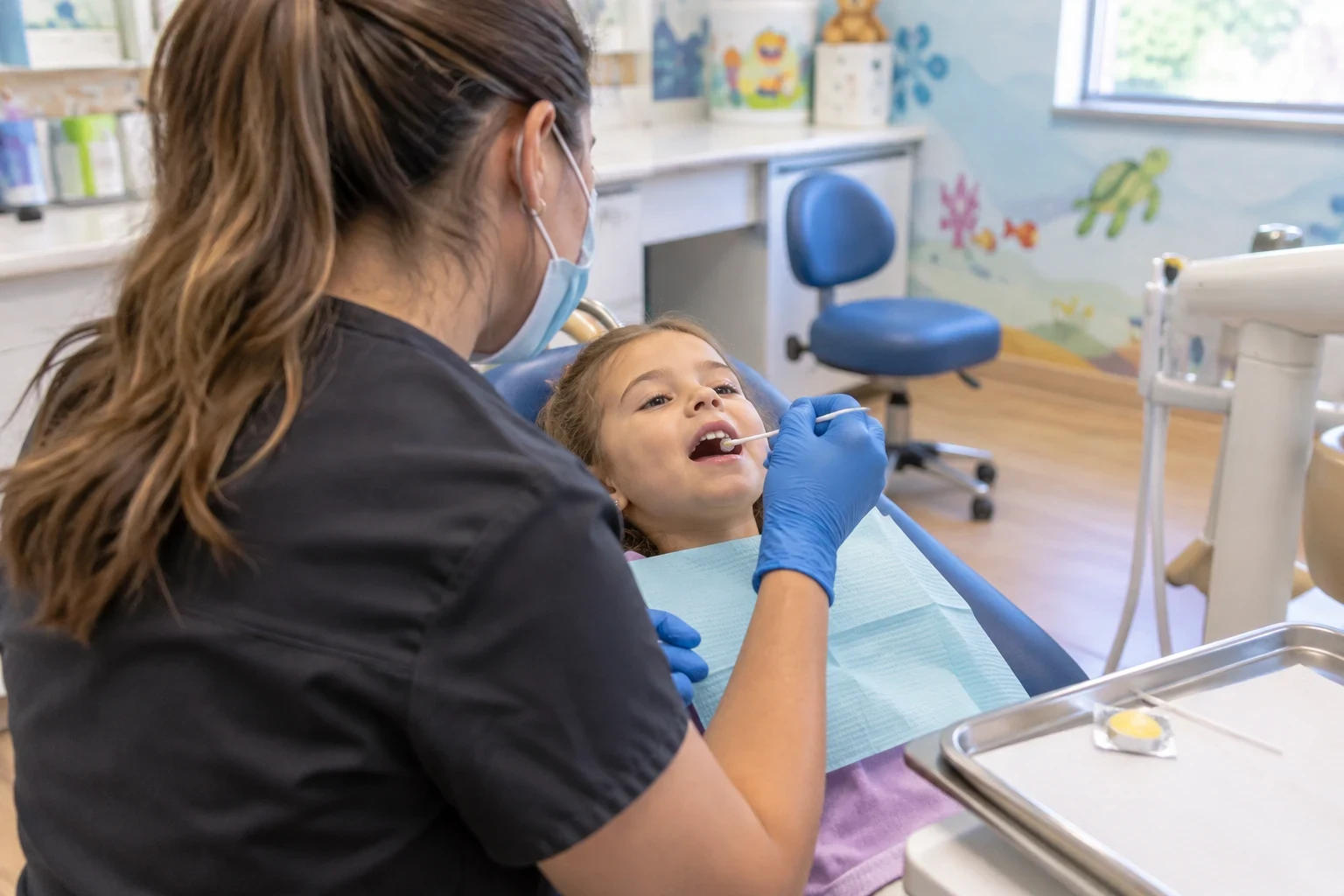
What fluoride varnish does for your child's teeth
Fluoride varnish is a thin, sticky coating we brush onto the teeth. It sets as soon as it meets saliva, then releases fluoride into the enamel over the next several hours. That fluoride helps rebuild weak spots before they turn into cavities and makes the tooth surface harder for acid to dissolve.
Baby teeth have thinner enamel than adult teeth, so early decay can move quickly. A cavity that starts as a chalky white line along the gums can become a hole in months. Varnish is one of the simplest ways to slow that down.
We never apply it by habit. Each visit starts with an exam, and the findings decide whether your child needs varnish, how often, and whether something else, like sealants or a filling, matters more right now.
What a fluoride treatment includes
A careful look first
We check every tooth surface, the gumline and the grooves on back teeth. You hear what we found before anything is applied.
A plain risk assessment
We talk through diet, snacking, bedtime bottles or cups, brushing habits and any past cavities. Together these tell us how much protection your child's teeth need.
Gentle varnish application
The teeth are dried with a small cotton pad and the varnish is painted on with a soft brush. There is no tray to hold, no rinsing and nothing to swallow on purpose.
Clear aftercare guidance
We explain what to eat and avoid for the rest of the day and when brushing can resume. Parents get it in simple steps, not a pamphlet.
A schedule that matches the findings
Some kids need varnish every three months for a while. Others do well with twice a year. We tell you which and why.
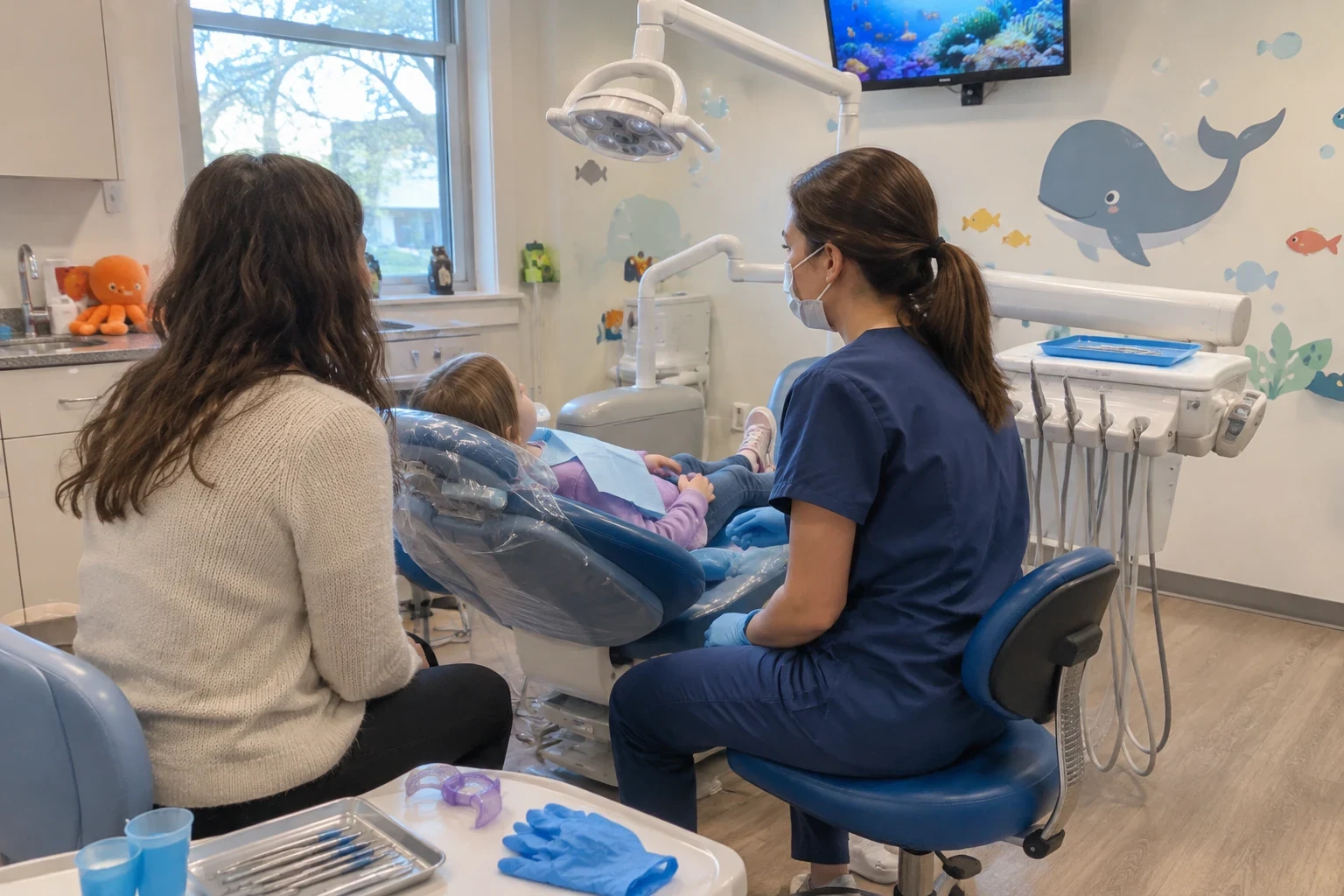
Signs your child could benefit from fluoride
- Chalky white spots
- Dull white patches near the gums usually mean the enamel has started to weaken. If we find them early, before the surface breaks, fluoride gives that enamel a chance to firm up again.
- Cavities in the past year
- A recent cavity tells us conditions in the mouth favor decay. Extra fluoride helps protect the teeth that are still healthy.
- Frequent snacks or sipping
- Juice, milk or crackers through the day keep teeth bathed in sugar and acid. Varnish gives the enamel more resistance between brushings.
- Braces, appliances or deep grooves
- Brackets, space maintainers and deep pits on molars trap food. Those areas benefit from added protection alongside sealants.
- Sensitive teeth
- Twinges with cold drinks can point to thin or worn enamel. We look closely before deciding whether fluoride is the right answer.
How the visit goes
- 1
Exam and findings
We usually pair fluoride with a regular visit from our Exams & Cleanings service. After the cleaning, we review the teeth and share what we see with you.
- 2
A quick recommendation
If varnish makes sense, we say so and explain how often. If it does not, we tell you that too.
- 3
About one minute of painting
Your child sits back while we dry the teeth and brush on the varnish. Most kids find it the easiest part of the appointment. It may leave a faint yellow tint that brushes away the next day.
- 4
Home for the day
Soft foods and cool drinks are fine soon after. We ask families to skip hot, hard or sticky foods and wait until the next morning to brush, so the varnish can do its work.
What affects the cost of fluoride treatment
Varnish is a small line on most dental bills. What you pay depends mostly on what else the exam turns up and how your plan treats preventive care for kids. We review the charges with you before anything is applied, so nothing arrives as a surprise. For payment, we take Visa, MasterCard and Discover cards, work with most insurance plans, and offer the CareCredit Patient Payment Plan.
- How your plan covers it
- Many plans cover fluoride for children, but they often limit the number of applications per year and drop coverage after a set age. We can go over your plan's terms with you so the statement is easy to follow.
- How often your child needs it
- Kids at higher risk may need varnish every three months for a stretch. That means more visits over a year than a twice-yearly schedule.
- Other findings from the exam
- Early decay that calls for sealants or a filling is billed as its own service. We spell those out separately so you can plan for them.
Questions parents ask about fluoride
- Is fluoride varnish safe for babies and toddlers?
- Yes. The amount used is very small, and the varnish sticks to the teeth rather than being swallowed in any meaningful quantity. Pediatric guidance supports varnish once the first teeth come in. We will talk through any concerns at your child's first visit.
- How long after the treatment can my child eat?
- Soft foods and cool or room-temperature drinks are fine right away. For the rest of the day, avoid hot drinks and hard, crunchy or sticky foods. Brushing can resume the next morning.
- Why are my child's teeth yellow after varnish?
- Some varnishes leave a light tint while they set. It is temporary and comes off with the first good brushing the next day.
- My child already brushes with fluoride toothpaste. Is varnish still worth it?
- Daily toothpaste is a good habit, but it rinses away within minutes. Varnish carries a much stronger dose and clings to the enamel for hours. Whether your child needs it comes down to what the exam shows, and kids at low risk may need it less often.
- Can fluoride reverse a cavity?
- It can help harden early white spots where enamel has softened but not broken. Once there is an actual hole, the tooth needs a filling or other repair. We will show you which stage we are seeing.
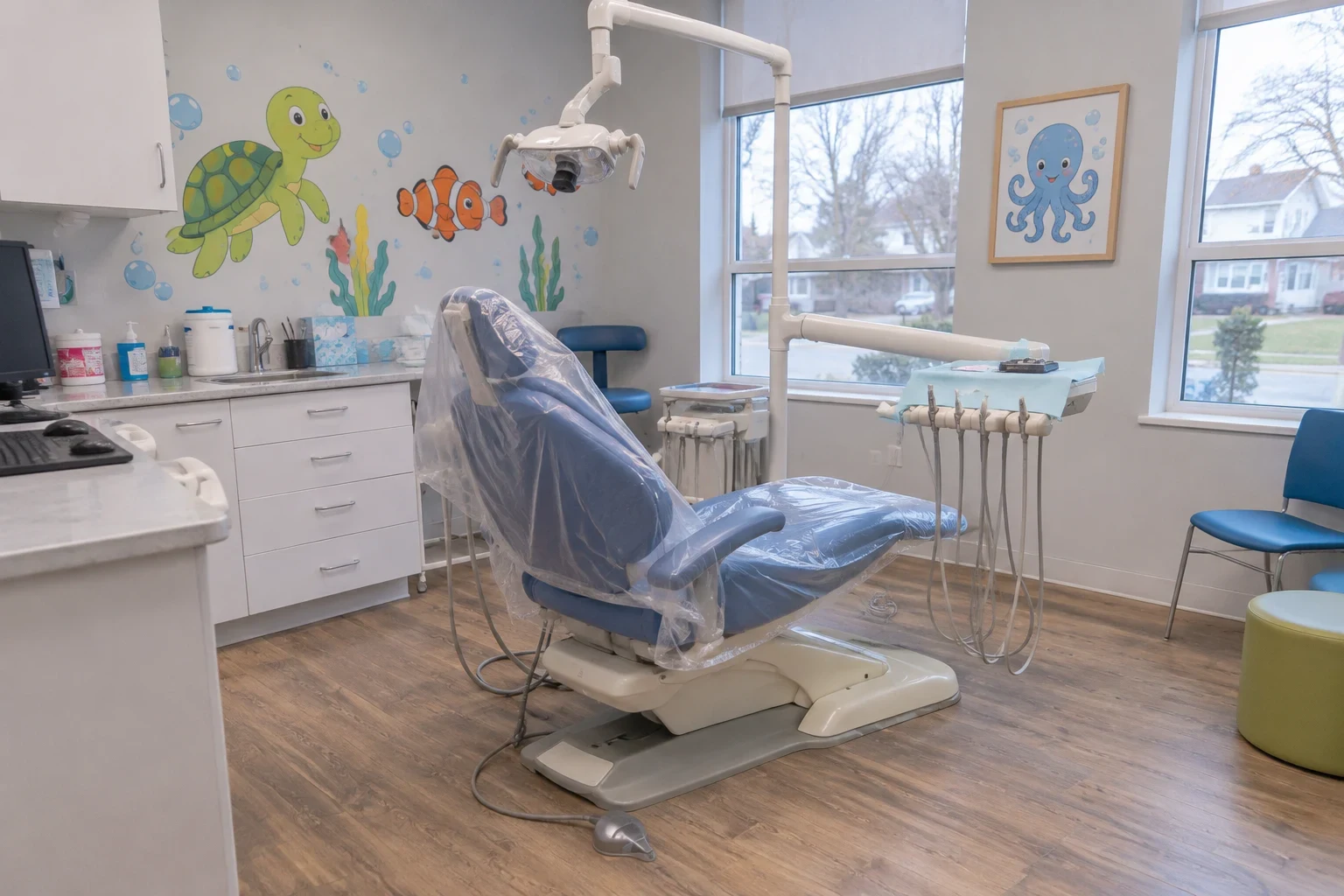
Start with a careful look at your child's teeth
Register your child with our office and we will examine their teeth, explain what we find, and recommend fluoride only if it helps. Families from Cumberland and nearby towns like Lincoln and Woonsocket are welcome.