ServicesSedation Dentistry
Sedation Dentistry for Kids in Cumberland
Some children need more than a gentle voice and a steady hand to get through treatment comfortably. We examine first, explain what we see in plain terms, and recommend sedation only when it will make the visit safer and easier for your child.
What sedation does, and when it makes sense
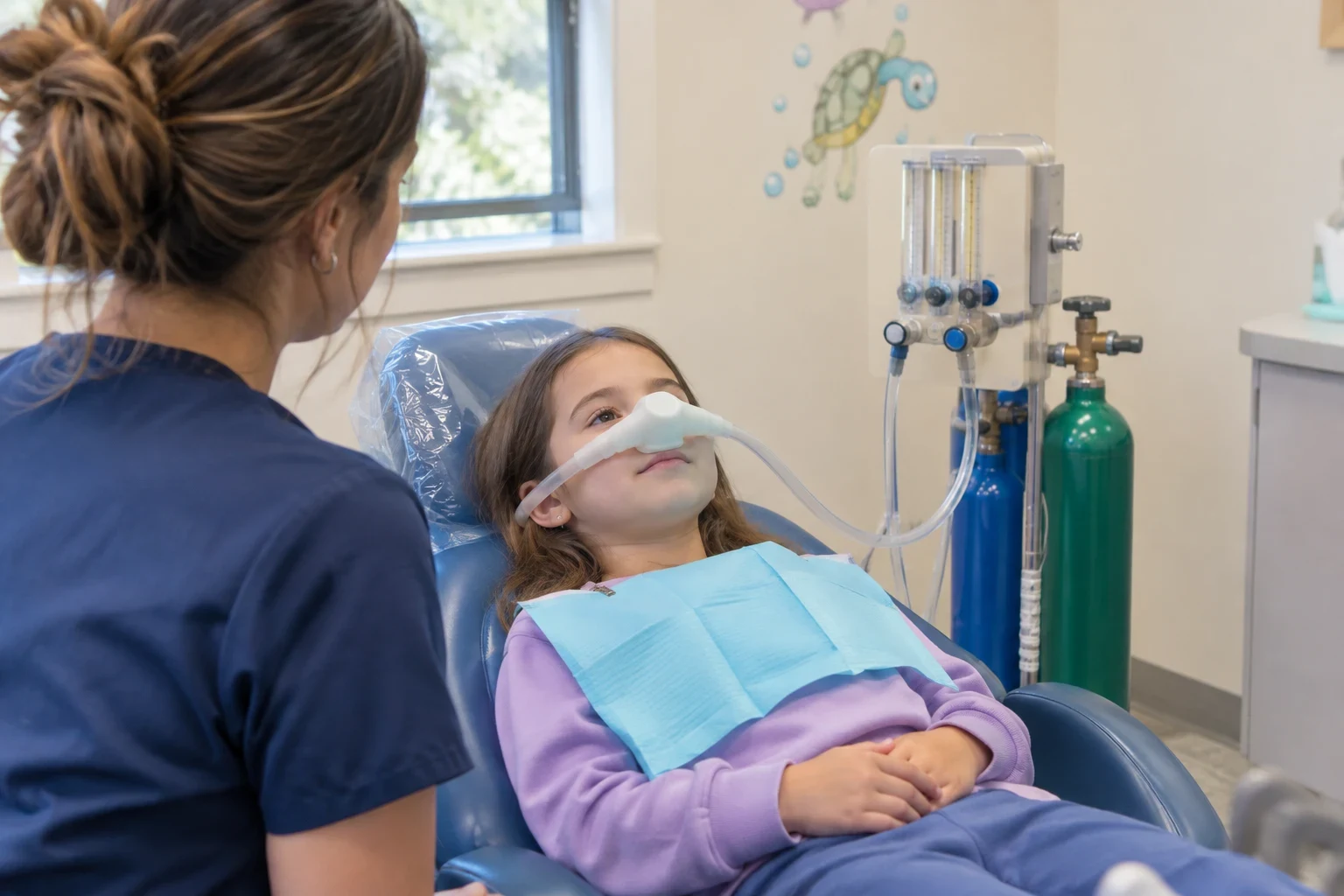
Sedation dentistry uses medication to help a child relax so treatment can be done calmly and in fewer visits. For most kids it is light: they stay awake, breathe on their own and can answer questions, but the worry fades and time passes quickly.
We do not start with sedation. We start with a careful look at your child's teeth, X-rays when they are needed, and a conversation about how past visits have gone. If the work is small and your child is comfortable, we usually skip it. If a toddler needs several fillings, or an older child has strong fear or a sensitive gag reflex, sedation can turn a hard morning into a manageable one.
You hear our findings before anything is scheduled, along with the options and the reasons behind our recommendation.
What a sedation visit includes
A health review before the day
We go over your child's medical history, current medications, allergies, weight and any recent colds or breathing trouble. These details decide whether sedation is appropriate and which type fits.
Matching the level to the child
Nitrous oxide, often called laughing gas, is breathed through a small nose mask and wears off within minutes. An oral sedative taken as a drink offers deeper relaxation for longer work. We explain how each one feels and lasts so you can weigh them with us.
Monitoring throughout
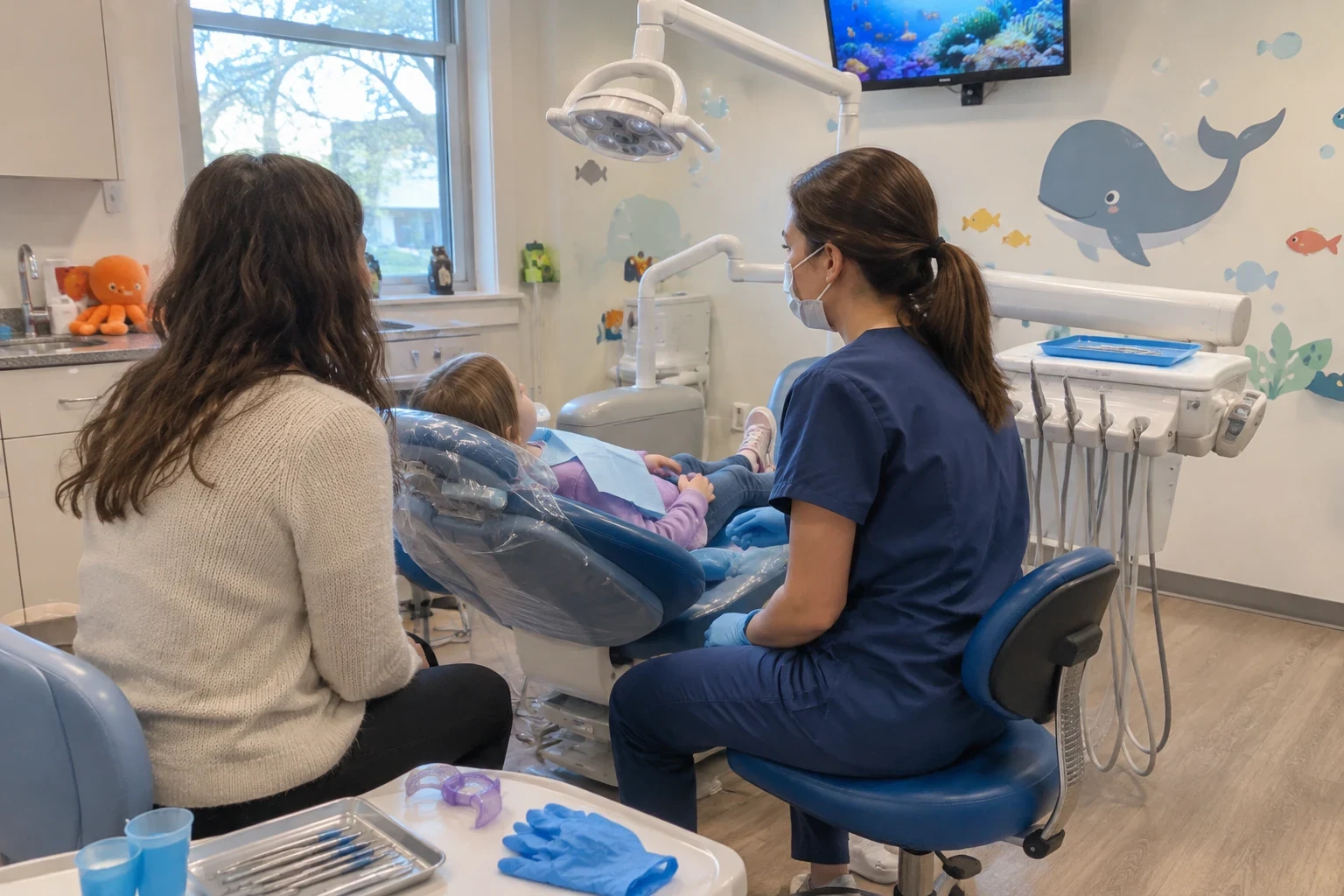
Your child's breathing, oxygen level and heart rate are watched for the whole appointment. Someone on our team stays with your child from start to finish.
Clear written instructions
You leave the planning visit with written guidance on eating and drinking beforehand, what to bring and what to expect afterward.
Recovery before you head out
We keep your child with us until they are alert enough to go, then walk you through the rest of the day.
Signs sedation may help your child
- Fear that stops the visit
- Crying, clinging or refusing to open up is common, and often it eases with patience. When it keeps a needed treatment from happening at all, sedation is worth discussing.
- Several teeth need work
- If our exam finds decay in more than one area, finishing it in one calm visit is often kinder than four tense ones.
- Very young children
- Toddlers cannot sit still for long, and that is normal. Light sedation lets us work carefully on small mouths without a struggle.
- A strong gag reflex
- Some kids gag at the feel of instruments or X-ray sensors. Sedation can quiet that reflex enough for us to do thorough work.
- Special health care needs
- Sensory sensitivities or conditions that make stillness hard can make treatment stressful. We plan with you so the visit fits your child.
How the process runs
- 1
Exam and honest findings
We examine your child's teeth, take any X-rays that are needed and show you what we found. Then we tell you whether sedation is worth considering or whether a regular visit will do.
- 2
Planning conversation
If sedation fits, we review health history, choose the level together and answer every question. You get written preparation instructions to take with you.
- 3
Treatment day
Your child settles in, the medication takes effect, and we complete the planned work while monitoring closely. With nitrous oxide you can usually stay nearby.
- 4
Recovery and home care
We watch your child until they are steady and alert. You leave knowing what to feed them, how much rest they need and how to reach us with questions.
What moves the price of a sedation visit
Three things shape the bill: which sedation your child receives, how long the chair time runs and what dental work gets done while they are relaxed. After the exam, we go over the expected charges line by line so nothing is booked before you can plan for it. We accept MasterCard, Visa, Discover, most insurance plans and CareCredit Patient Payment Plan, and we are glad to explain how each would apply to your child's visit.
- Laughing gas or an oral sedative
- A few minutes of nitrous oxide through a nose mask is priced differently from a sedative drink. The oral option needs more preparation beforehand and a longer period of watching your child afterward.
- How much time in the chair
- One small filling makes for a short appointment. Work across several teeth takes longer, and the extra monitored time is reflected in the charge.
- Treatment billed separately
- Any fillings, crowns or extractions completed during the visit carry their own charges, apart from the sedation.
- What your plan covers
- Coverage for sedation varies; some plans include it for young children or specific procedures, while others exclude it. We can look over your benefits with you ahead of treatment day.
Questions parents ask about sedation
- Is sedation safe for kids?
- Light sedation has a long record of use in children when it is chosen carefully and monitored the whole time. That is why we review health history first and watch breathing and oxygen throughout. If something in your child's history makes sedation a poor fit, we will tell you and talk through other options.
- Will my child be asleep?
- With nitrous oxide or a typical oral sedative, no. Your child stays awake and can respond, just relaxed and less aware of time. Many kids remember little of the visit afterward.
- Can I stay with my child?
- During nitrous oxide visits, parents can often stay close by. For other sedation we explain where you will wait and when you can rejoin your child. Either way, we keep you informed.
- How will my child feel afterward?
- Nitrous oxide wears off within minutes, and most kids go back to their normal day. After an oral sedative, plan a quiet afternoon with soft food and an adult nearby. We give you written guidance before you leave.
- Do we have to use sedation if you recommend it?
- No. We explain why we suggest it and what the alternatives are, such as splitting treatment into shorter visits. The decision is yours.
Start with an exam and a plain answer
Bring your child in for a careful look and an honest opinion on whether sedation will help. New patient registration takes one phone call.