ServicesSealants
Dental Sealants for Kids in Cumberland
Most cavities in children start in the narrow grooves of the back teeth, where a toothbrush bristle cannot reach. We look closely at each molar, tell you what we see, and seal only the teeth that will benefit. No drilling, no numbing.
What a Sealant Does
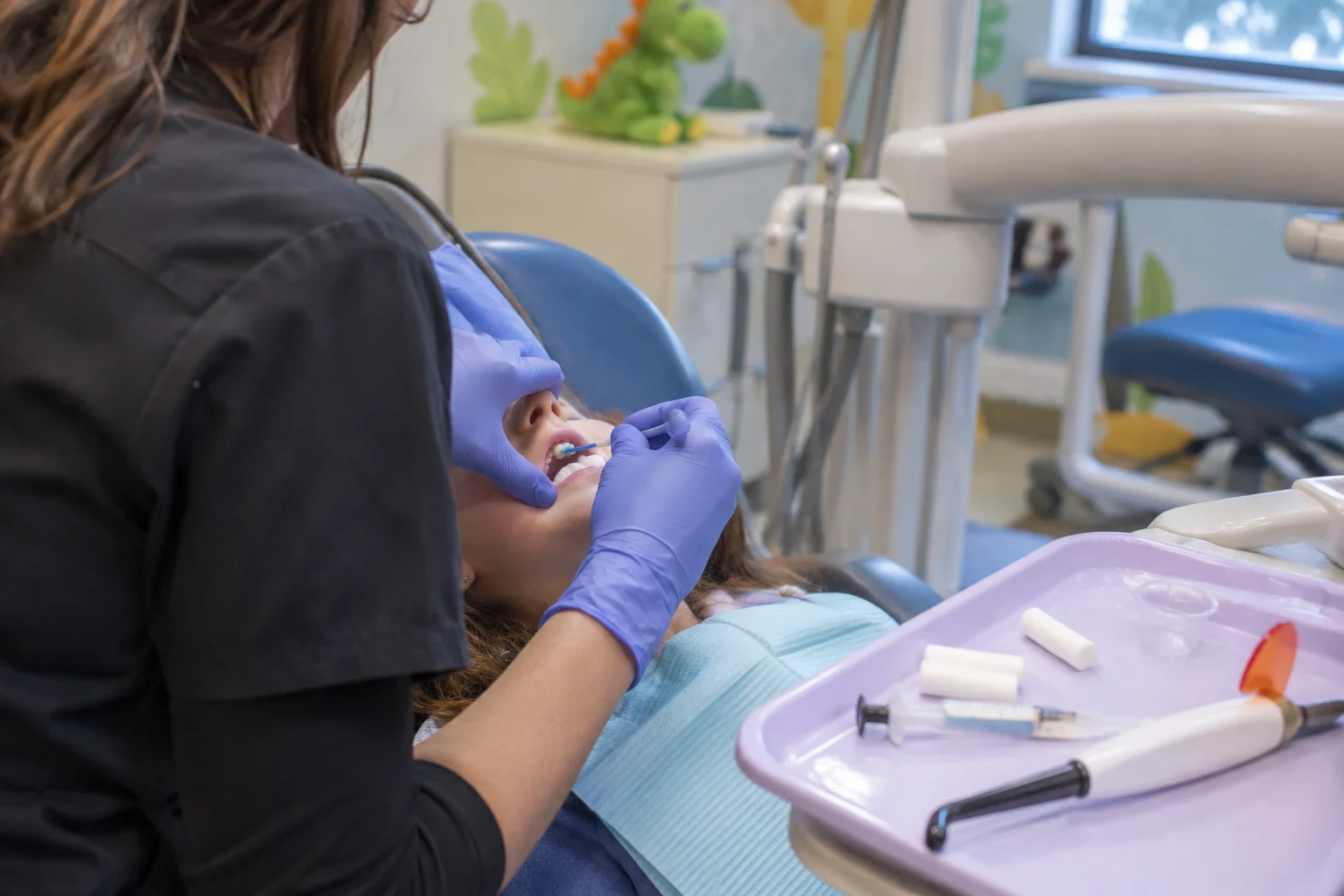
A sealant is a thin, tooth-colored resin that flows into the pits and fissures on the chewing surface of a molar and hardens there. It turns a deep, food-trapping groove into a smooth surface that rinses clean and brushes easily. The tooth itself is not shaped or cut.
We usually recommend sealants for permanent molars, which arrive around age six and again around age twelve. Some baby molars and premolars have grooves deep enough to warrant one too. We decide tooth by tooth, after a careful look.
A sealant only belongs over healthy enamel. If we find early decay in a groove, we tell you plainly and explain the options, which may mean a small filling instead. You get our findings first and our recommendation second.
What Your Child's Sealant Visit Includes
- A tooth-by-tooth check
- We dry each molar and examine the grooves under good light, using X-rays only when they add useful information. We note which teeth are sound, which are deep-grooved, and which show any staining worth a closer look.
- Plain findings for parents
- Before anything is placed, we walk you through what we saw on each tooth. You will know why a tooth is being sealed and why another is being left alone.
- Careful isolation
- A sealant bonds best to a completely dry surface. We use small cotton rolls or a gentle isolation device to keep saliva away, which is the detail that most affects how long a sealant lasts.
- Resin placement and curing
- The resin is painted into the grooves and hardened with a blue curing light in a few seconds per tooth. We check the bite afterward so nothing feels high.
- Ongoing checks
- At each exam and cleaning we look at every sealant for wear or chipping. A worn area can usually be touched up quickly.
Signs Your Child May Be Ready for Sealants
New molars have come in
The first permanent molars erupt behind the baby teeth around age six, often without parents noticing. The second set follows near age twelve. Freshly erupted enamel is most vulnerable in its first few years.
Deep, narrow grooves
Some kids simply have deeper fissures than others. If we can see that a bristle will not reach the bottom, a sealant is often worth considering.
Dark lines in the chewing surface
Brown or gray staining in a groove can be harmless or an early sign of decay. It needs a proper look before any decision is made.
Earlier cavities
A child who has already needed fillings is more likely to get new ones. Sealing healthy molars is a sensible step alongside fluoride treatment.
Back teeth that are hard to brush
Young kids and kids in braces often miss the back of the mouth. A smooth sealed surface gives a little margin while brushing skills catch up.
What Affects the Cost of Sealants
Two things shape the cost of sealants most: how many teeth need one and what your plan covers. Since we seal only the teeth our inspection shows will benefit, you are not paying to coat molars that are fine as they are. For payment, you can use MasterCard, Visa or Discover, bill most insurance plans, or spread the cost with a CareCredit Patient Payment Plan, and we can go over the specifics with you by phone.
Number of teeth
Each tooth is billed separately. A six-year-old may need two or four first molars sealed, while a teen may need second molars and some premolars.
Insurance rules
Many plans cover sealants on permanent molars up to a certain age, and some limit how often a tooth can be resealed. We can help you understand what your plan lists.
What the inspection finds
If a groove shows early decay, that tooth may need a filling rather than a sealant, which changes the visit and its cost. We explain this before any work begins.
Touch-ups over time
Sealants wear gradually with chewing. A small repair at a later exam is simpler than a new placement.
How the Appointment Goes
- 1
Look and explain
We start with the inspection and share what we found, tooth by tooth. If your child is due, this often happens during a regular exam and cleaning visit.
- 2
Clean and prepare
Each tooth is polished and a mild conditioning gel is applied to the grooves for a short time, then rinsed away. This gives the resin a surface to grip. There is no needle and no drill.
- 3
Seal and cure
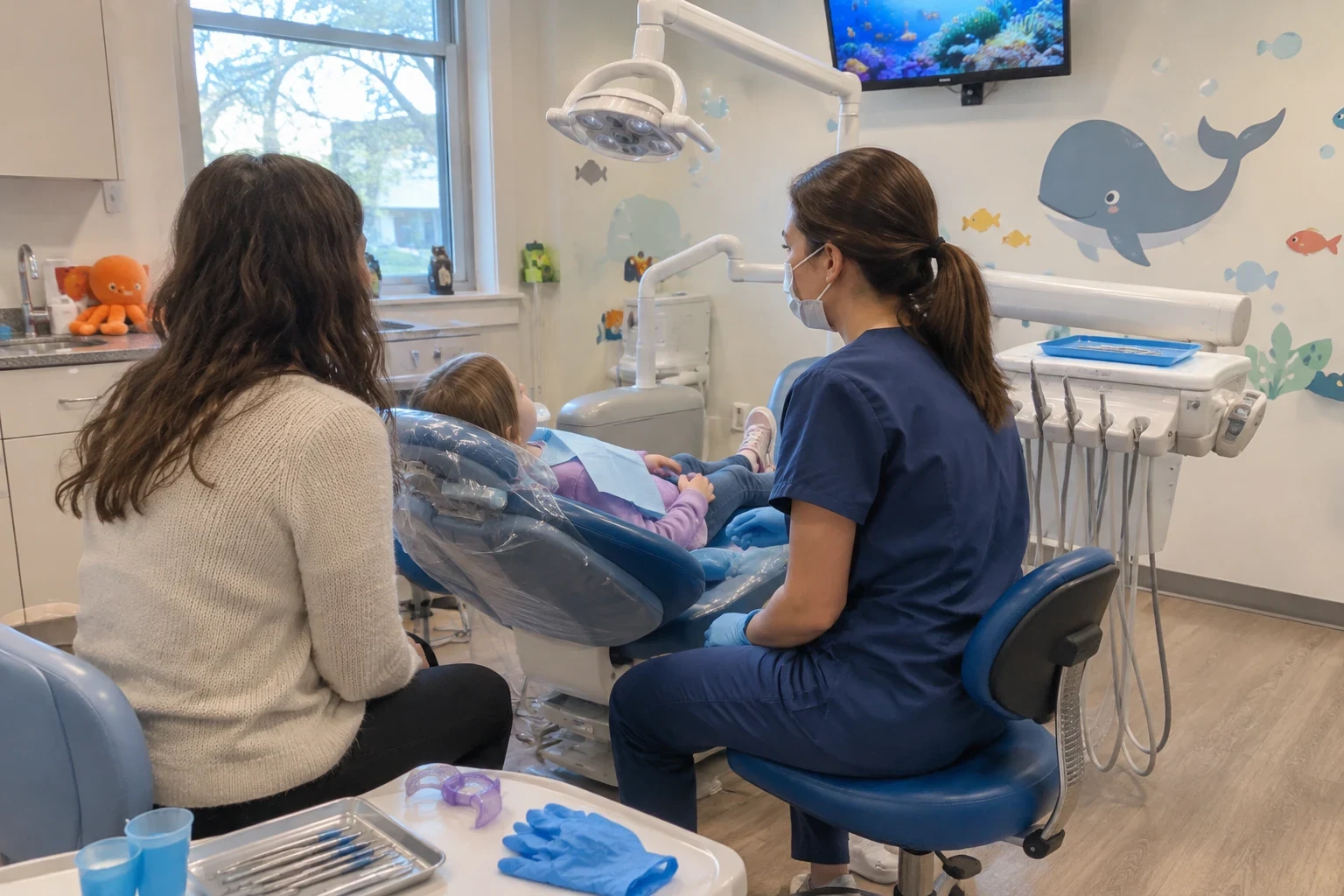
We paint the resin into the grooves, then shine the curing light until it sets. Most children sit comfortably through the whole thing, and we keep up a calm, kid-friendly explanation as we go.
- 4
Check the bite and finish
We have your child bite down gently, smooth any high spot, and confirm every groove is covered. Your child can eat and drink normally right away.
Questions Parents Ask About Sealants
Does getting a sealant hurt?
No. There is no numbing, no needle and no drilling. Your child will taste the conditioning gel briefly and feel the brush on the tooth, and that is about it.
How long do sealants last?
When the tooth stays dry during placement, a sealant typically keeps doing its job for a number of years. Everyday chewing thins it bit by bit, so we inspect every sealed tooth at each exam and repair any spot that has worn or chipped.
Are sealants needed on baby teeth?
Not usually. We suggest them on baby molars only when the grooves are unusually deep or your child is prone to cavities, since those teeth still have years of work to do. We will tell you what we see and let you decide.
If my child has sealants, can they skip brushing the back teeth?
No. A sealant covers the chewing surface only. The sides of the teeth and the spaces between them still need brushing and flossing, and fluoride treatment helps protect those areas.
What happens if you find a cavity during the sealant check?
We show you where it is and explain how far it goes. Very early changes are sometimes watched or treated conservatively, while a true cavity needs a small filling. We never seal over active decay.
Book a Look at Your Child's Molars
When permanent back teeth start showing up behind the baby teeth, an unhurried inspection is the sensible place to begin. Families in Cumberland, Lincoln and the surrounding towns can register as new patients over the phone, and we will arrange the appointment.